
Japan is in the spotlight right now. In the past months, several courts, most recently the Osaka High Court, ruled that banning same-sex marriage is unconstitutional. With five High Courts now agreeing, and more than 65% of people supporting equality, many believe marriage rights could be coming soon.
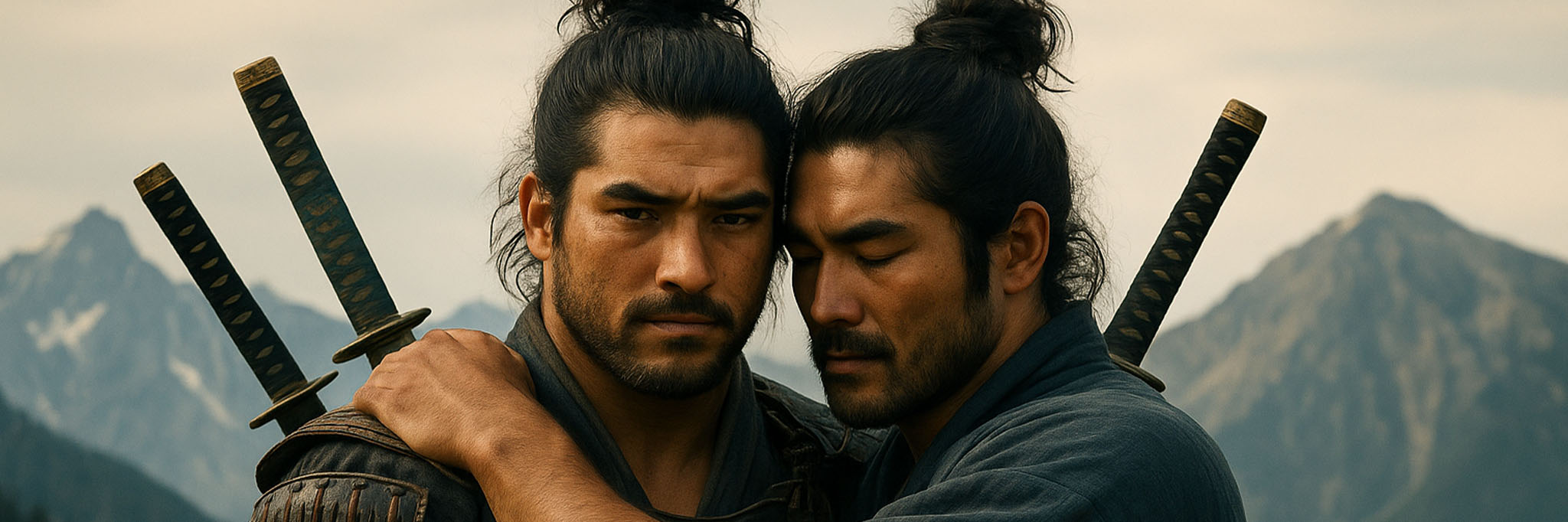
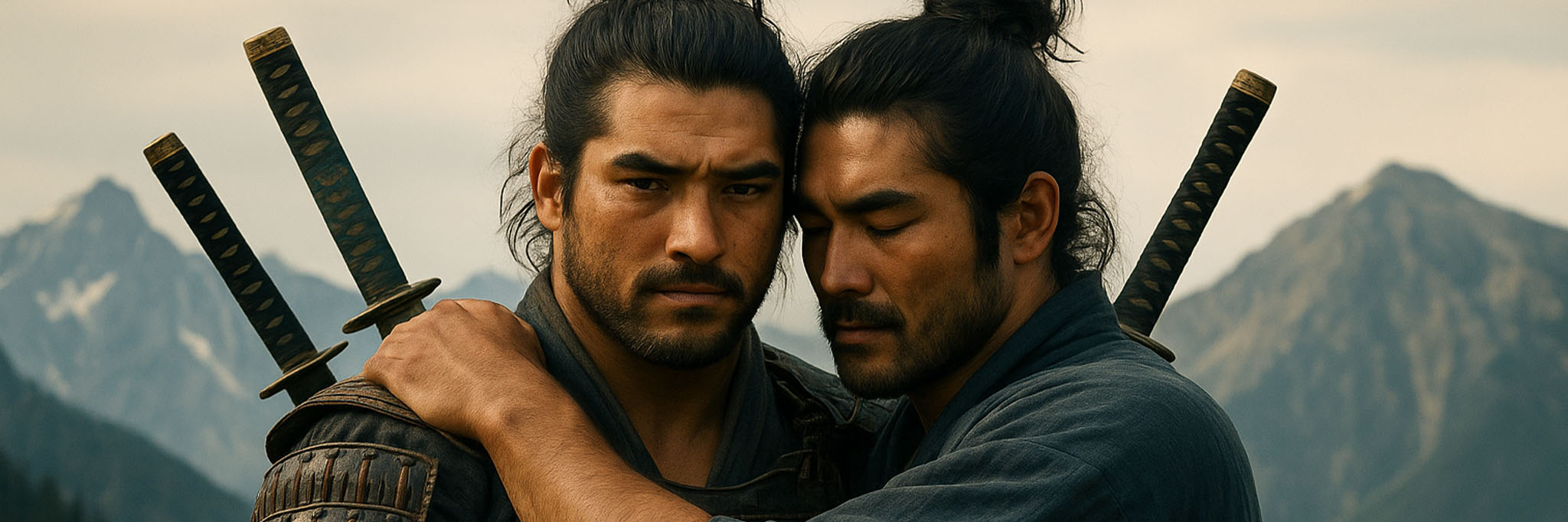
This made us think: Japan’s rainbow family has always been here. From the love between samurai to today’s neon nights in Shinjuku Ni-chōme, queer history is deeply part of Japanese culture. Let’s look at the past and the present, and the fight for the future.
Ancient Love Stories
Long before Western ideas of sexuality arrived, Japan had its own traditions. In the Edo period, wakashudō (the “way of the youth”) and nanshoku (male-male love) were common among samurai and monks. These bonds were about loyalty, mentorship, and respect, and they were not seen as taboo.
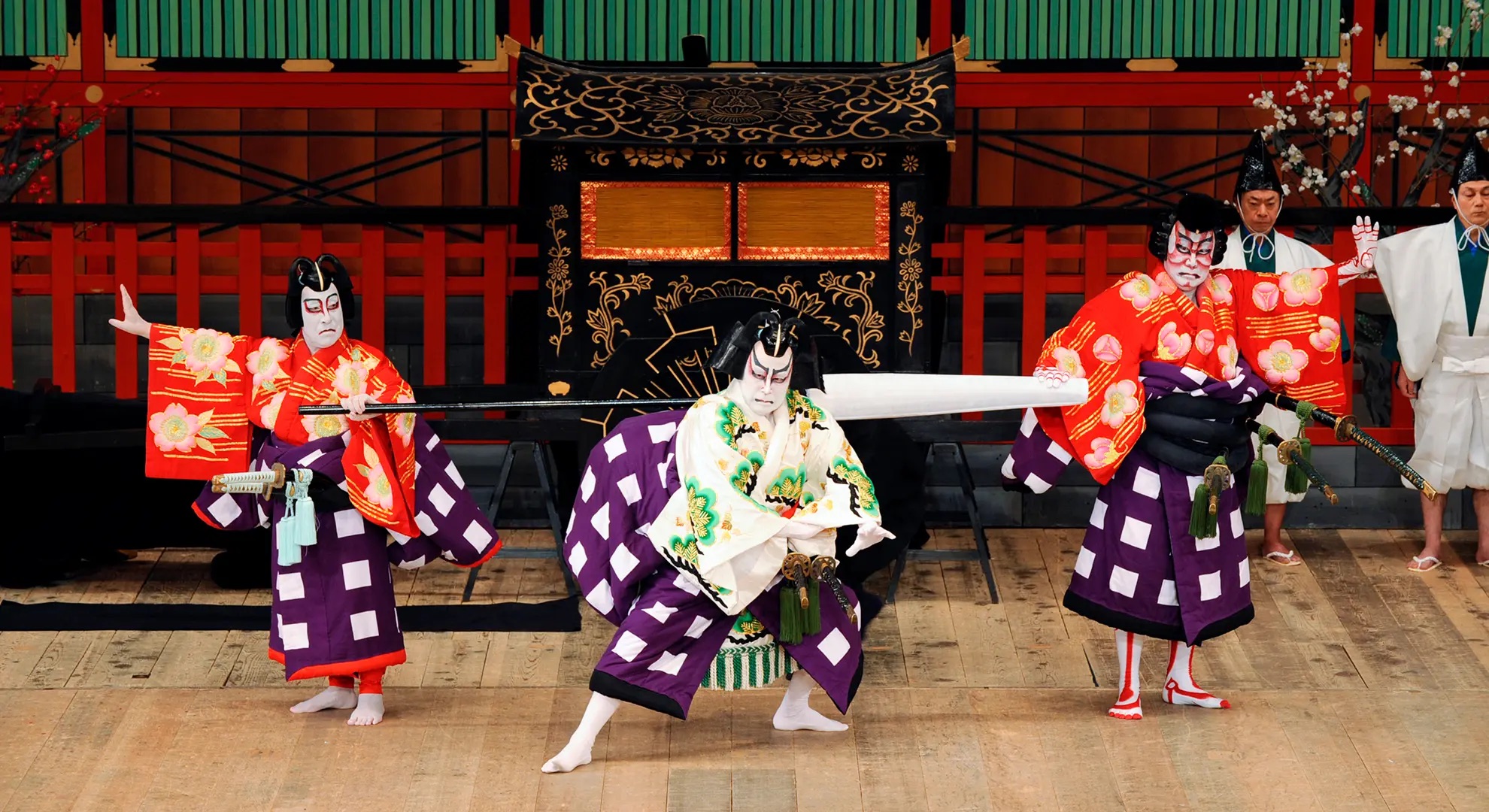
Japanese theater, particularly Kabuki, offers another historical lens into queer cultural expression. The tradition of onnagata, male actors specializing in female roles, challenged binary ideas of gender. These performers not only brought grace and beauty to the stage, but also blurred the lines between masculinity and femininity in ways that still resonate with today’s conversations about gender fluidity. The enduring legacy of onnagata shows us that Japan has long valued the art of breaking norms and celebrating diverse identities.
Queerness in Japan is not new. It has always been part of the story.
Pride and Nightlife
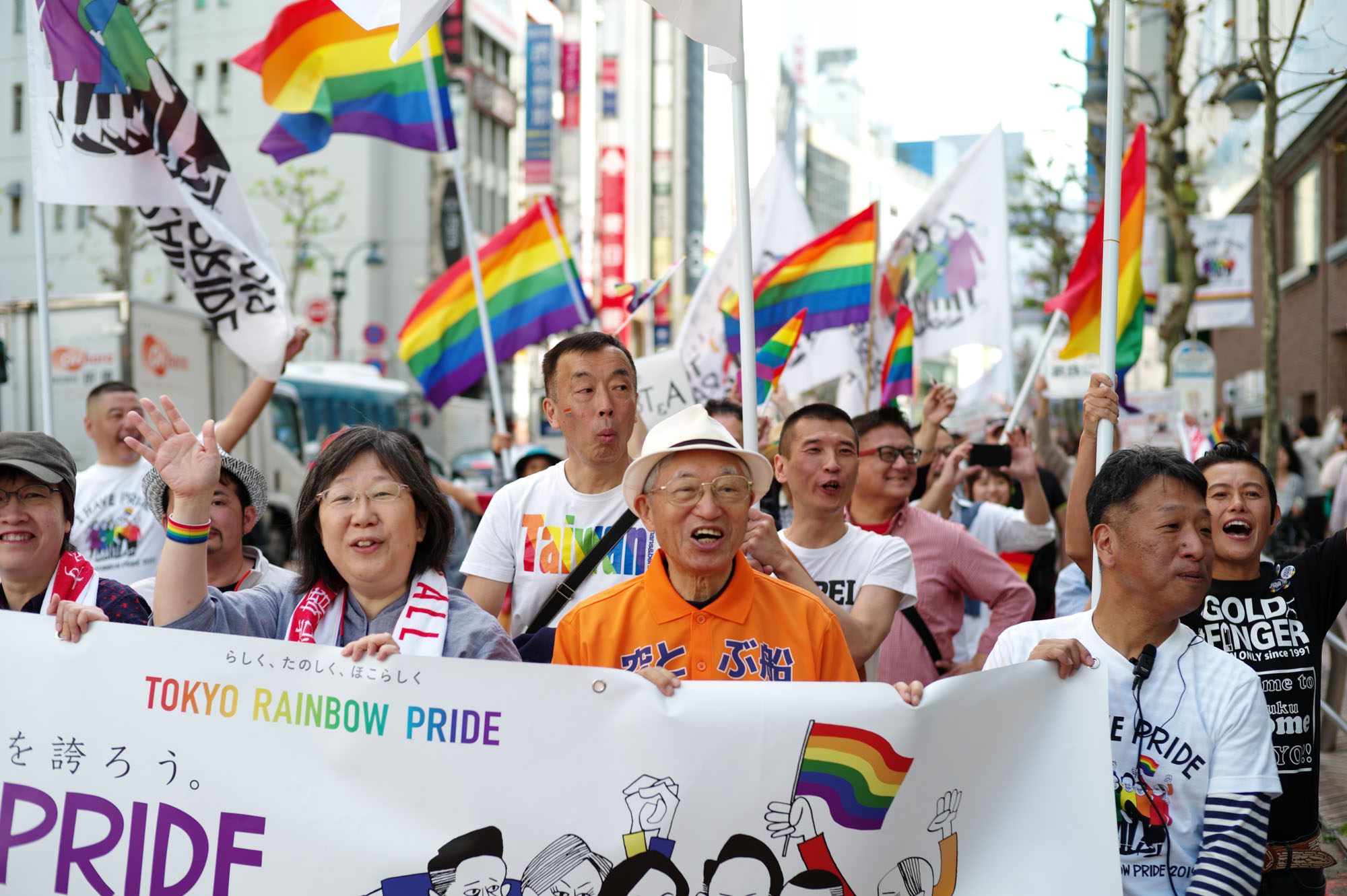
Today, Japan’s rainbow family is strong and visible. Tokyo Rainbow Pride brings thousands into the streets to celebrate identity and demand rights.
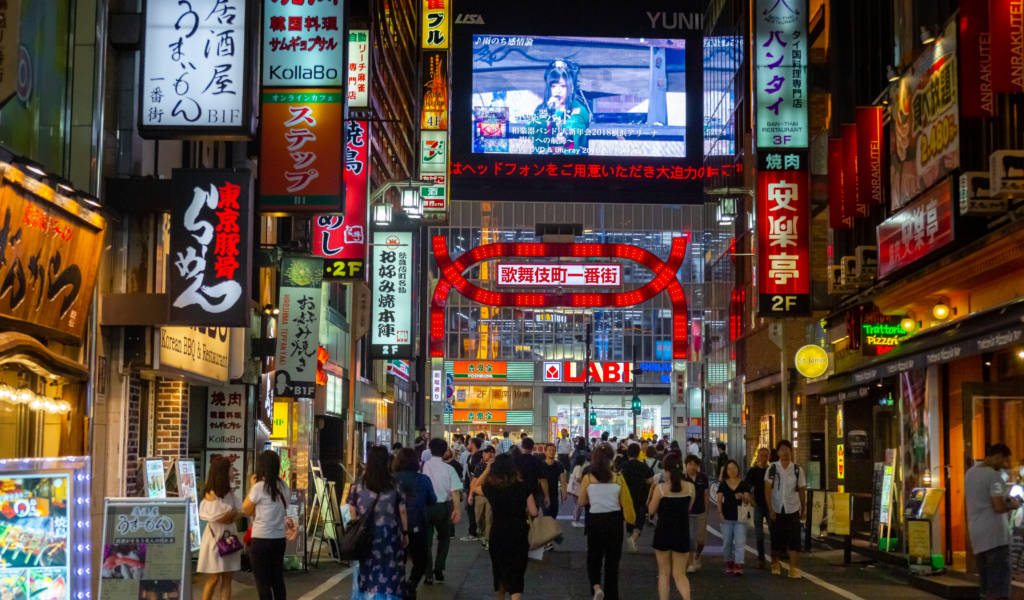
No discussion of modern queer life in Japan would be complete without mentioning Tokyo’s famed Shinjuku Ni-chōme district. As the heart of Tokyo’s rainbow nightlife, this area is a vibrant mosaic of bars, clubs, and cafés where people of all backgrounds come together in celebration. Here, tradition and modernity coexist: while the neon lights and energetic crowds define the contemporary scene, they also echo a history of queer spaces that have long provided refuge and community.
Partnerships and Legal Recognition
Local governments have also acted. As of May 2025, over 530 municipalities (covering 92.5% of the population) offer partnership systems, with almost 10,000 couples registered. Some cities even recognize same-sex couples as de facto spouses.
But partnerships are not the same as marriage. They don’t include rights like inheritance, adoption, or taxes. That’s why the courts are so important.
Courts Say: Love Deserves Recognition
Since 2021, courts across Japan have ruled that the marriage ban violates the Constitution. Even Osaka, once against it, changed its stance in 2025. Now, five High Courts agree. The next step could be a final decision by the Supreme Court of Japan.
The People Are Ready
Polls show that two out of three Japanese people support marriage equality. Support is especially strong among young people and women, and Japan now ranks among the most supportive countries in Asia.
*For more details on recent surveys and how public opinion has grown, check out this article in The Diplomat.
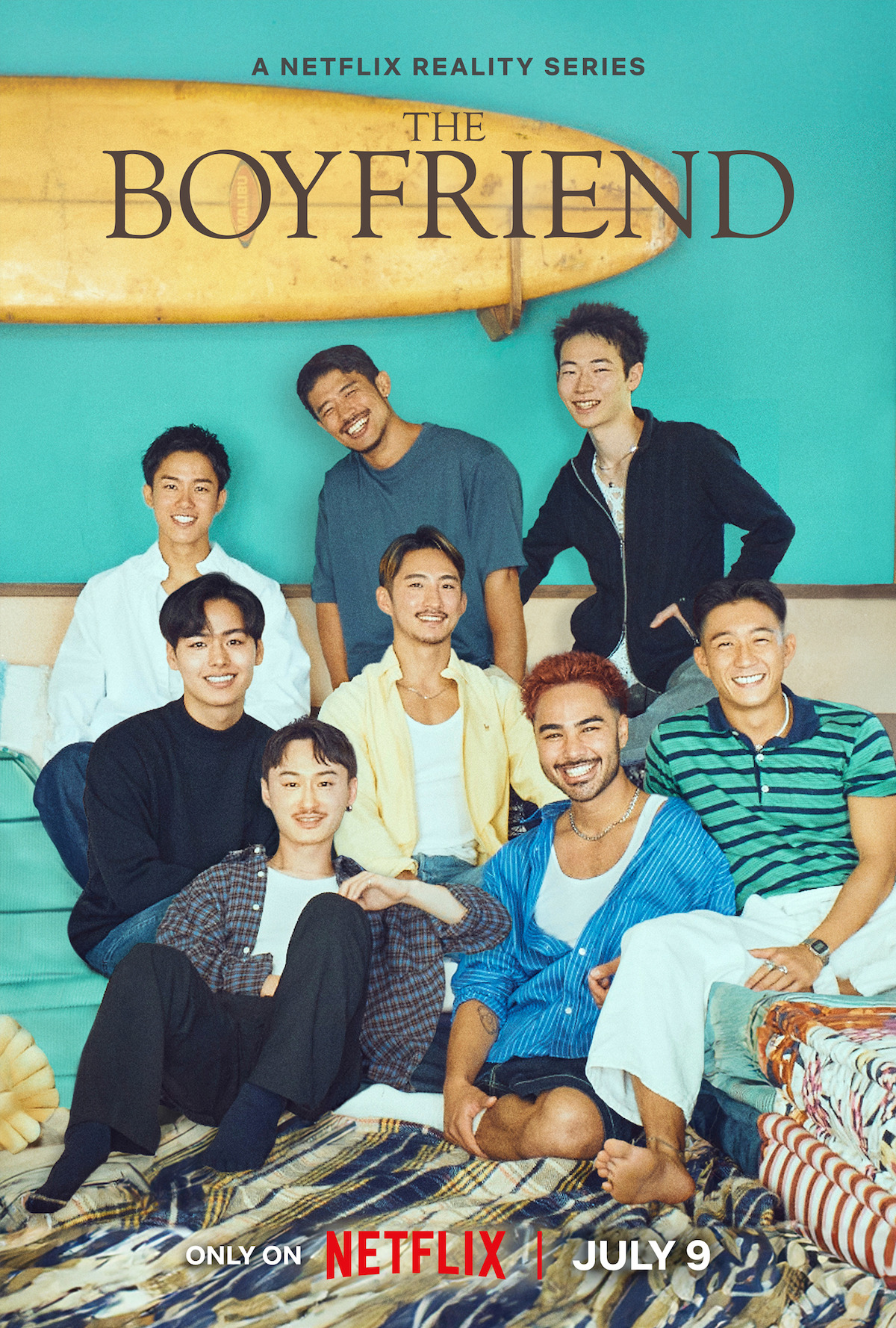
And it’s not just the numbers. Queer culture is everywhere. Boys’ Love (BL) and Girls’ Love (GL) dramas are popular in Japan and across Asia. These shows, and the idols who star in them, make queer love visible, relatable, and loved by millions.
Past, Present, Future
From samurai to Shinjuku, from hidden love stories to Pride parades, Japan’s queer history is rich and alive. The courts and the people are moving toward change. The future looks brighter than ever.
At ROMEO, we celebrate every step of this journey. Change is coming, and love is unstoppable.
Because one thing is clear: Love has always lived here. And soon, it may finally be fully recognized.